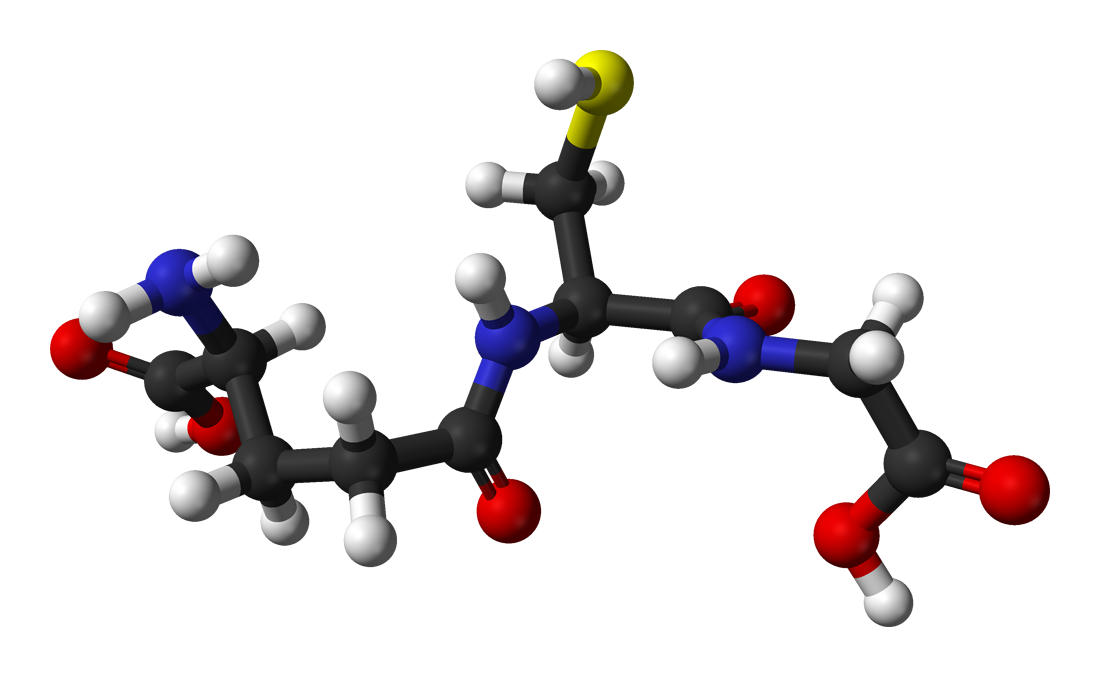
GHK-Cu also serves as a model system for copper transport and peptide-metal coordination chemistry research
MCAS can contribute to symptoms of excess histamine including: Fatigue Itching Hives Mood changes Asthma and wheezing Gastrointestinal distress diarrhea, bloating, nausea A few potential triggers of MCAS include: Stress Fatigue Diet Medications antibiotics, narcotics, contrast dyes, NSAIDs Mold Infection Lyme disease Environmental toxins such as heavy metals Exercise Contributing Factors to Histamine Intolerance There are several contributing factors to histamine intolerance your diet plays a role as well as stress levels and your gut health
May 11, 2025 As peptides continue to grow in popularity each year, one of the most common questions people ask is: How much bacteriostatic water should I use to reconstitute my peptides
Once shipped this is the responsibility of the customer to amend these details before 10am the next day by both email: [email protected] and WhatsApp message on 07910881841
Disclaimer: The information provided is intended solely for educational and scientific discussion
Working With the BPC-157 Peptide in Research Settings Researchers working with this compound should be familiar with several practical considerations that affect the quality and reproducibility of experimental results
/assets/images/provider/photos/2805921.jpeg)