Injectable BPC-157 Protocols for Elbow Tendinopathy Developing an effective BPC-157 protocol requires balancing dosage, frequency, duration, and injection location
Total Environment
Aislado originalmente de una protena protectora gstrica, este pentadecapptido ha demostrado en estudios preliminares, principalmente en modelos animales, una notable capacidad para acelerar la curacin de diversos tejidos
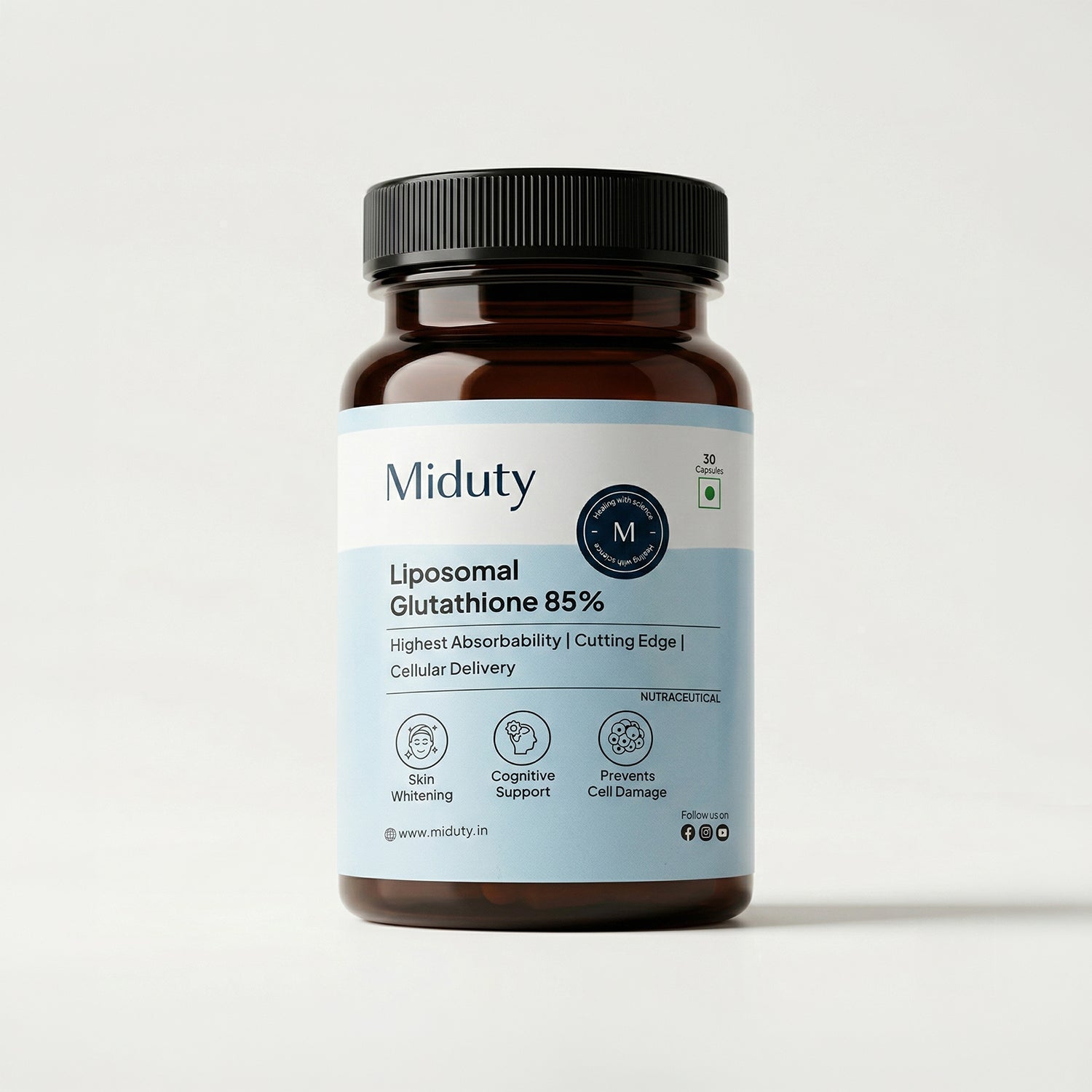
However, when your glutathione reserves are too low, free radical damage can spiral out of control, leading to cell damage and the foundations for inflammatory health condition such as: Intestinal permeability (leaky gut) Chemical sensitivities Heavy metal sensitivities Autoimmune diseases and flares Inflammatory and immune disorders Glutathione depletion is also linked to a number of other disease states and groups: Aging Athletic overtraining Major injuries and trauma Patients with wasting diseases such as HIV and AIDS Lung cancer Gut-based diseases such as Crohns and ulcerative colitis Chronic fatigue syndrome Alcoholism and fatty liver disease Diabetes and low glucose tolerance Cancer In many of these cases, raising glutathione levels has shown therapeutic benefits
However, it must be carefully evaluated as there might be unwanted side effects of the treatment
Preclinical studies indicate potential roles in: Supporting healthy fat metabolism and reduction of adipogenesis Improving insulin sensitivity in metabolic research models Enhancing NAD+ salvage pathway efficiency Exploring effects on energy homeostasis and longevity pathways These findings remain preliminary and confined to laboratory and animal models