Long arginine 3-IGF-1, abbreviated as IGF-1 LR3 or LR3-IGF-1, is a synthetic protein and lengthened analogue of human insulin-like growth factor 1 (IGF-1).[1][2] It differs from native IGF-1 in that it possesses an arginine instead of a glutamic acid at the third position in its amino acid sequence (arginine 3), and also has an additional 13 amino acids at its N-terminus (MFPAMPLLSLFVN) (long), for a total of 83 amino acids (relative to the 70 of IGF-1).[2] The consequences of these modifications are that IGF-1 LR3 retains the pharmacological activity of IGF-1 as an agonist of the IGF-1 receptor, has very low affinity for the insulin-like growth factor-binding proteins (IGFBPs), and has improved metabolic stability.[1][2] As a result, it is approximately three times more potent than IGF-1,[3] and possesses a significantly longer half-life of about 2030 hours (relative to IGF-1s half-life of about 1215 hours).[4] IGF-1 LR3 Peptide is under active investigation in a number of cell culture and animal models
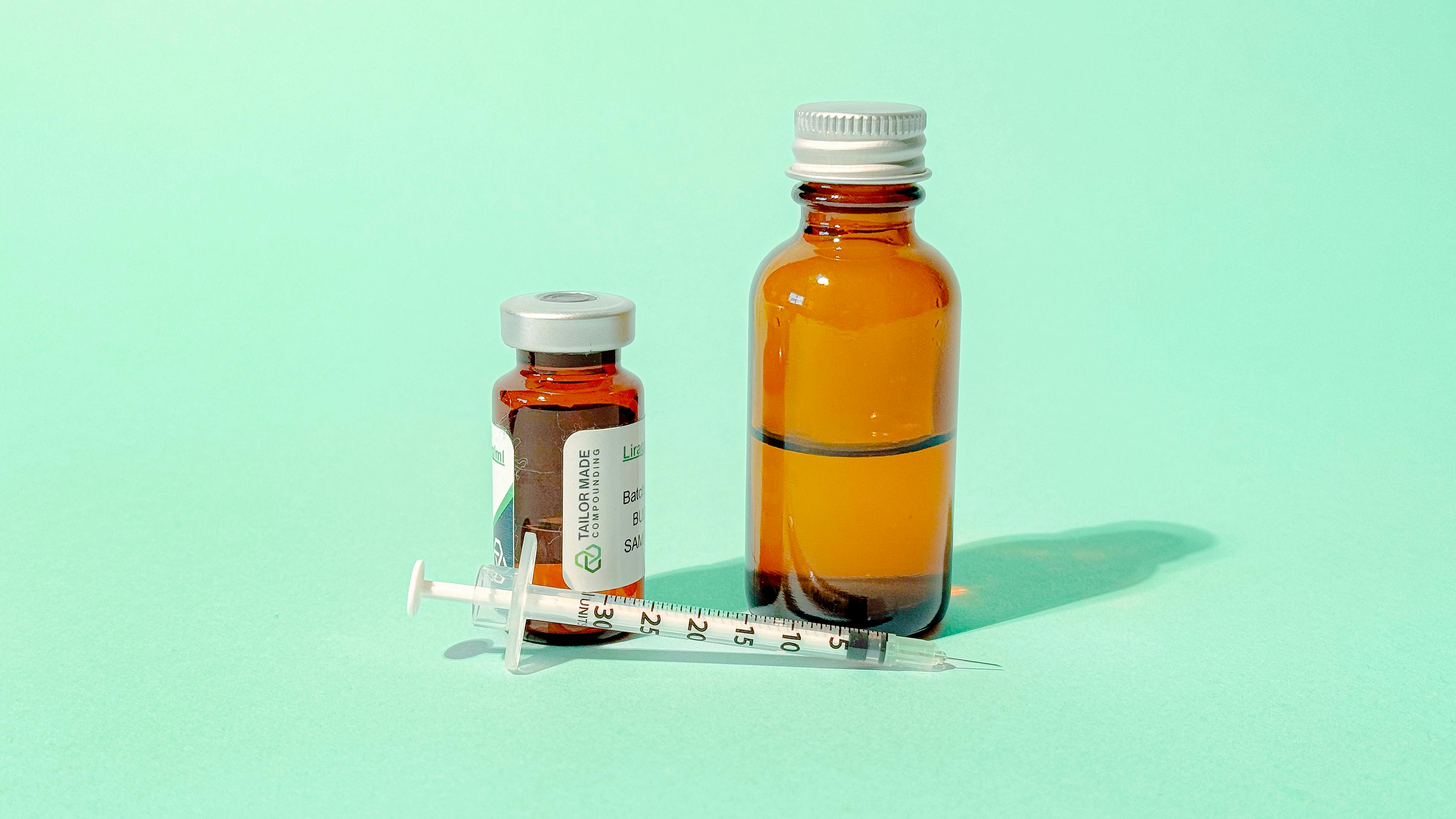
Injecting cold liquid into a cold vial creates unnecessary condensation and thermal stress
I ordered your trizeptide with the b12 and the other ingredient and I love it
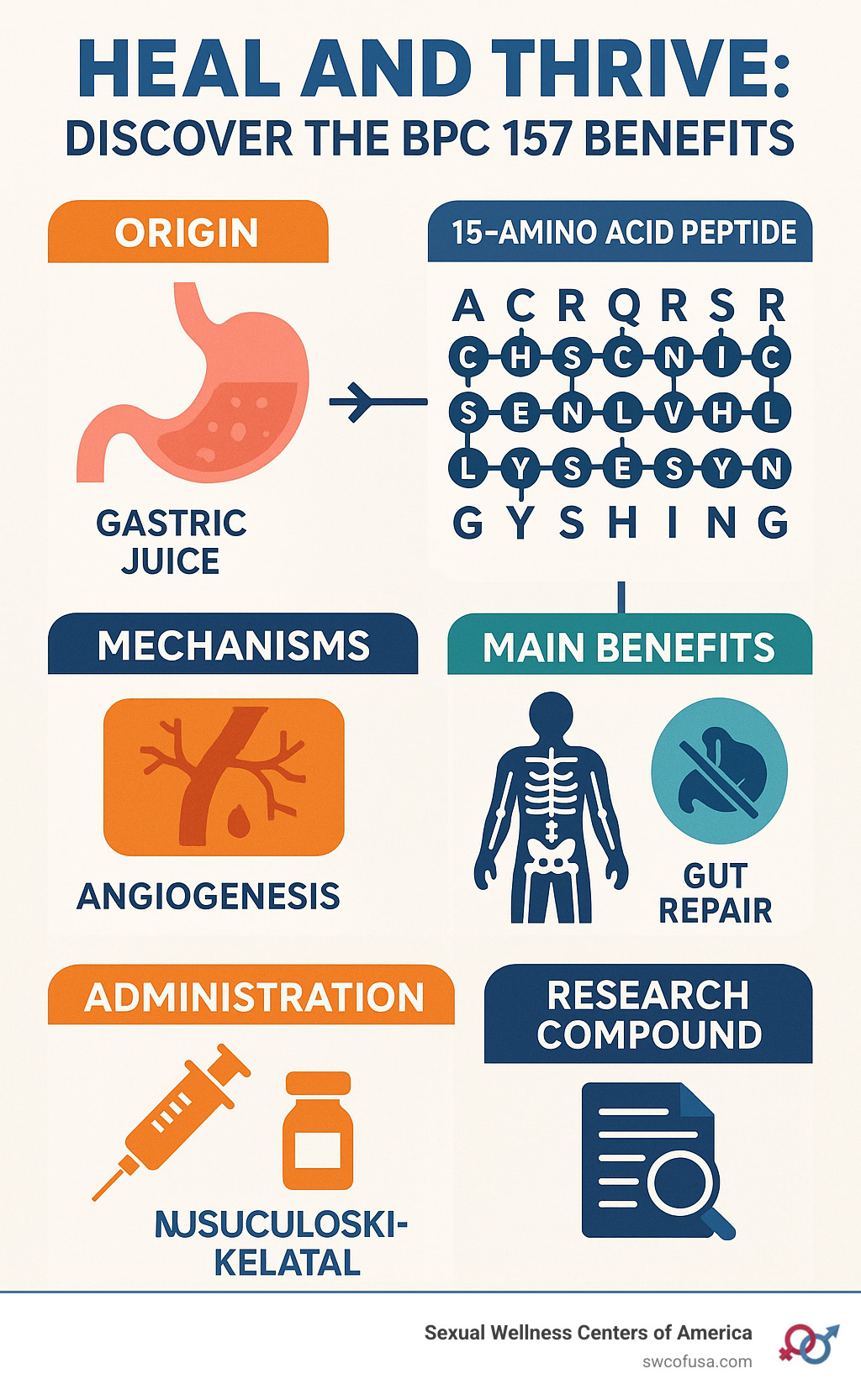
This particular effect on endothelium integrity (termed also "wound healing therapy") (5-7, 9) may explain that initially for inflammatory bowel research, throughout a short term period and long term therapy, various intestinal lesions models were cured
It is typically worst during the first few weeks and during dose escalations
Reactive oxygen species in metabolic and inflammatory signaling