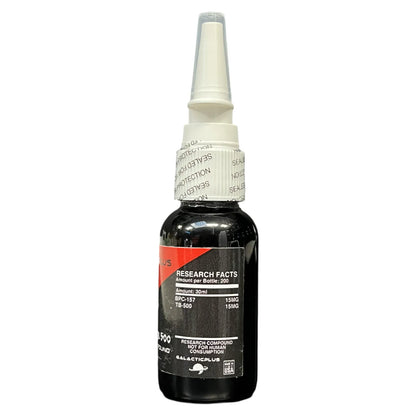
Across dozens of animal studies, BPC-157 has demonstrated protective effects in a wide range of GI injuriesfrom ulcers to inflammatory bowel disease and drug-induced gut damage
TB-500 appears to influence angiogenesis (new blood vessel growth), cell migration, and tissue repair in animal models
Shifting the schedule by a day or two has no meaningful impact on cycle outcomes
We understand the demanding schedules and high expectations that come with cutting-edge biological research
Future research should prioritise long-term outcomes in high-risk groups, comparisons of physiological versus pharmacological dosages in healthy subjects, cost-effectiveness analyses, and adherence monitoring to inform clinical guidelines for the management and prevention of B12 deficiency
Research demonstrates TB-500 reduces inflammatory markers including IL-6 and TNF-alpha while releasing the anti-inflammatory fragment acetyl-SDKP, creating conditions that favor repair over chronic inflammation