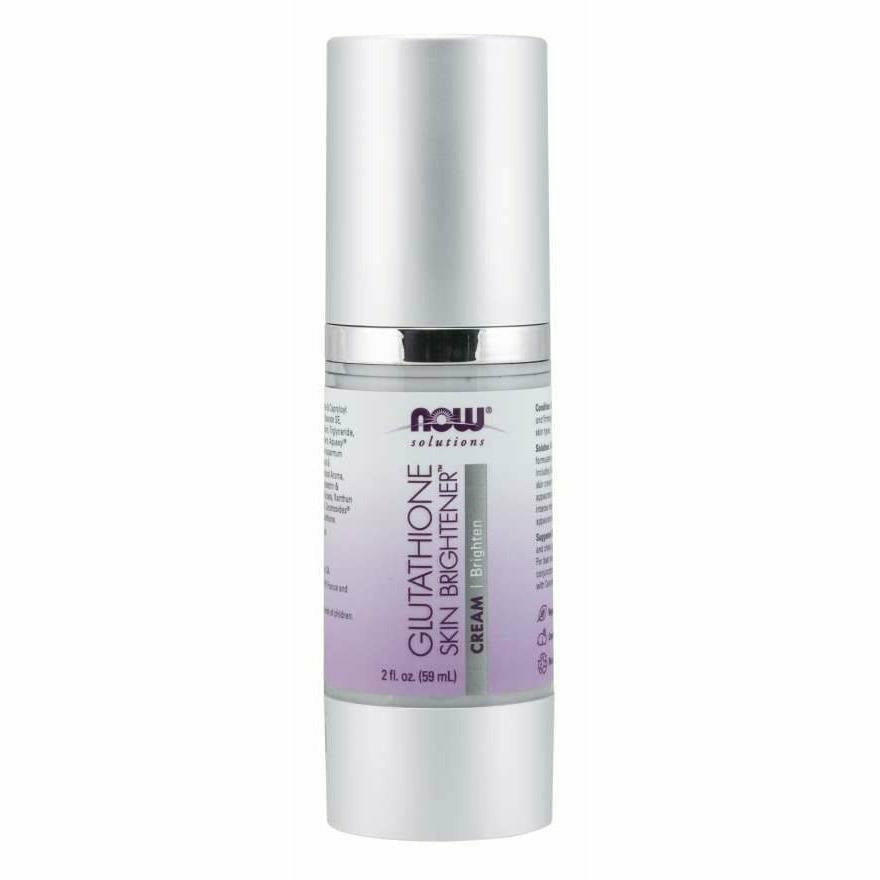
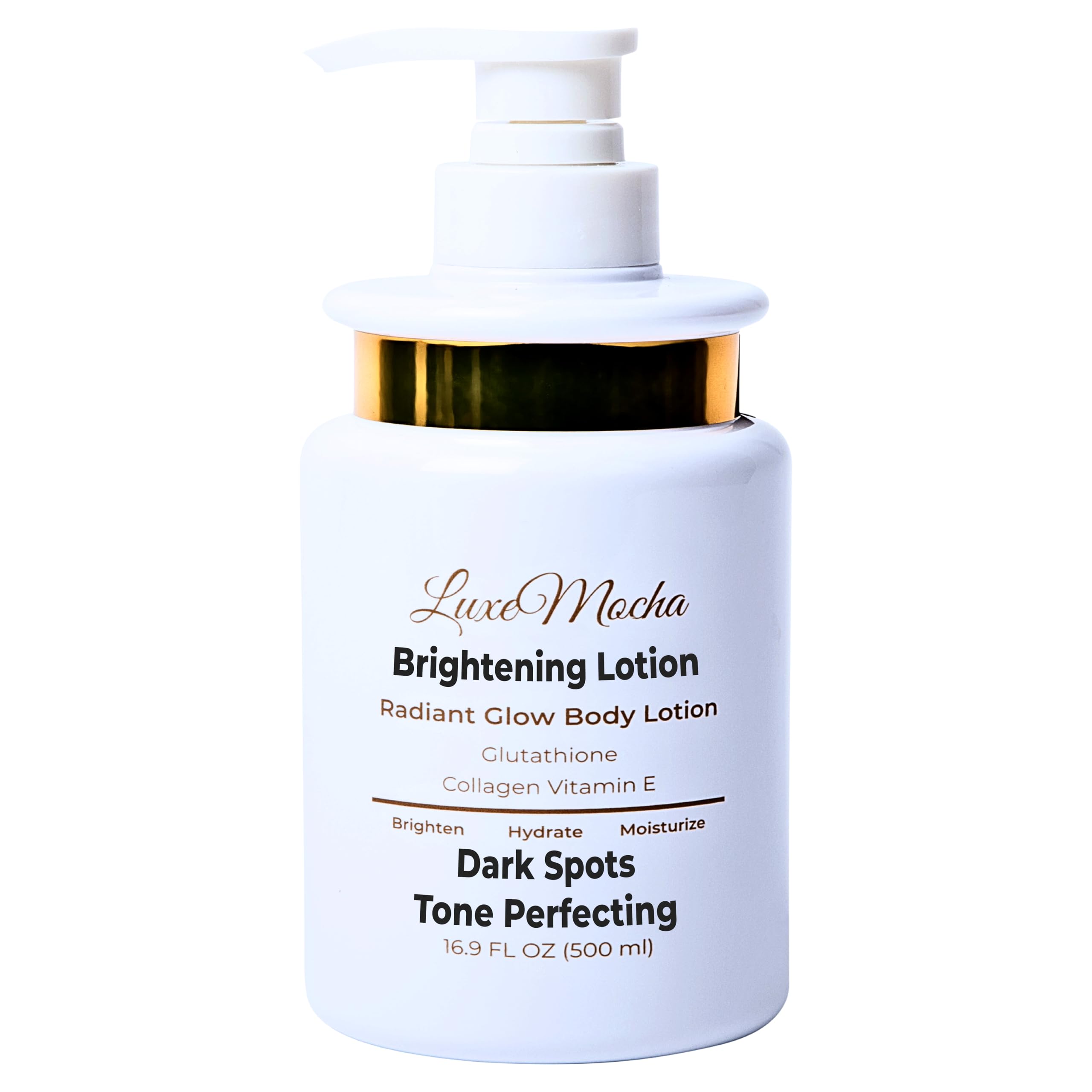
I wanted something simple that could support my bodys natural defenses and give me more energy and resilience

Highlights: High capacity binds at least 25mg of recombinant GST protein per milliliter of resin High yield and purity consistently purifies at least 10mg of GST tagged protein per milliliter of resin with greater than 90% purity Cost-effective resin is economically priced and can be reused at least five times without reduction in binding capacity and purification performance Versatile works well to purify GST fusion proteins from bacterial lysates or use with pre-purified GST tagged proteins to pull down protein interactions Compatible validated and effective for use with Thermo Scientific Pierce Cell Lysis Reagents to extract and purify from bacterial or mammalian cell cultures Flexible available in multiple formats including bulk resin, spin columns, chromatography cartridges and convenient GST purification kits Available Formats: Resin Slurries: 10mL, 100mL, 500mL bottles Spin Columns: 0.2mL (microcentrifuge), 1mL, 3mL columns Purification Kits: complete kits in all three column sizes Chromatography Cartridges: 1mL and 5mL cartridges, compatible with automated liquid chromatography systems and with syringe processing Bulk and Custom: let us know your needs for bulk Glutathione Agarose Includes: Kits contain Pierce Glutathione Spin Columns, equilibration/wash buffer and glutathione to prepare elution buffer Specifications Specifications Safety and Handling For Research Use Only
Complete loss of GPX4 is incompatible with viability, and pharmacological or genetic GPX4 inhibition is widely exploited to induce ferroptosis in cells and tissues
In particular, it has been established that different GST polymorphisms affect opinions to chemotherapy-induced oxidative stress and the variation in therapeutic outcomes
164,165,166,167 Similarly, DNA damage induces the relocalization of NAD + -dependent deacetylase SIRT1 to DNA breaks, which promotes DNA repair via opening the chromatin and recruiting the main DNA repair factors including KU70, NBS1, WRN, KAP1, XPA and APEX1
Abiri et al., The silent legacy of COVID-19: exploring genomic instability in long-term COVID-19 survivors, BMC Infectious Diseases, doi:10.1186/s12879-025-11419-y