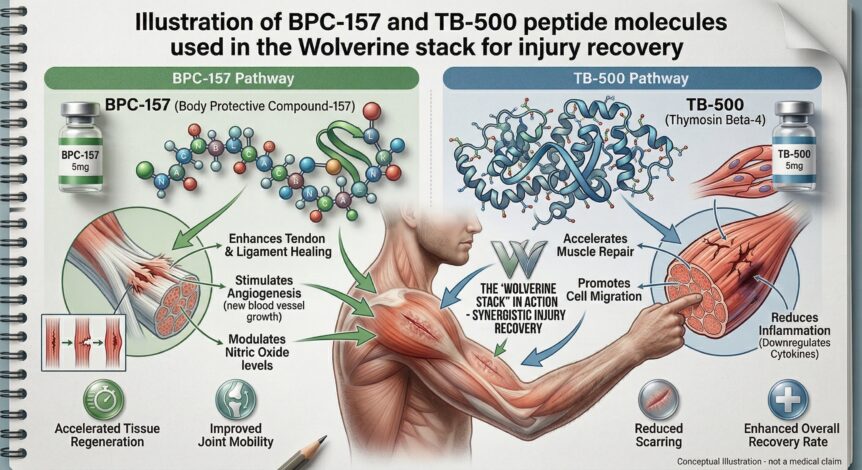
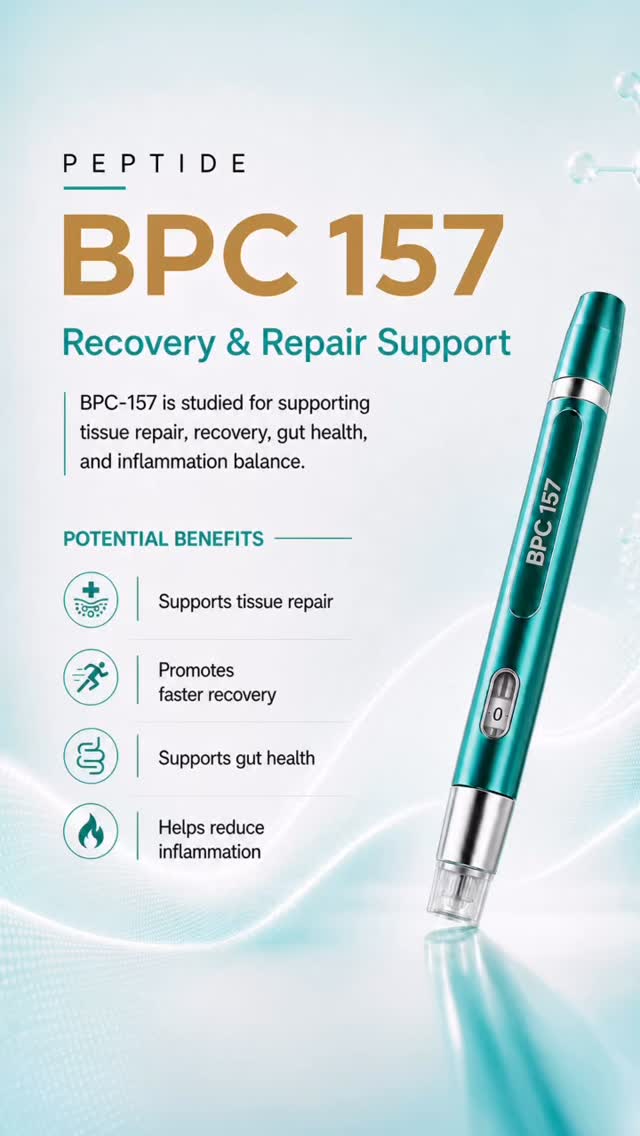
Key Research Points at a Glance A 15-amino-acid fragment of a gastric-juice-derived protective protein, first characterised in the early 1990s Primary research mechanisms: angiogenesis (VEGF pathway) and gastric/gut-lining signalling Secondary mechanisms under study: growth factor modulation (EGF, FGF) and nitric oxide system interaction Frequently co-researched with TB-500 despite acting through an unrelated mechanism The large majority of published research is pre-clinical (in-vitro and animal-model), not human clinical data Notably stable across a wider pH/temperature range than many comparable research peptides What Is BPC-157
The concentration and purity of the methionine, inositol, choline, and B12 in each vial are not negotiable variables
Thus, BPC-157 possesses gastrointestinal protective properties, including alleviation from: Ulcers Bowel issues Crohns disease BPC-157 has the potential in medicine to act as an effective systemic healing agent, whether administered by injection or orally
They can provide personalized recommendations based on your specific circumstances and help monitor your progress to ensure optimal results
A designated section or container prevents confusion and inadvertent mishandling
Red Flags to Avoid Suspiciously low prices often indicate quality compromises