Jillee P
Why Proper Reconstitution is Absolutely Non-Negotiable Before we even touch a syringe, we need to establish the stakes

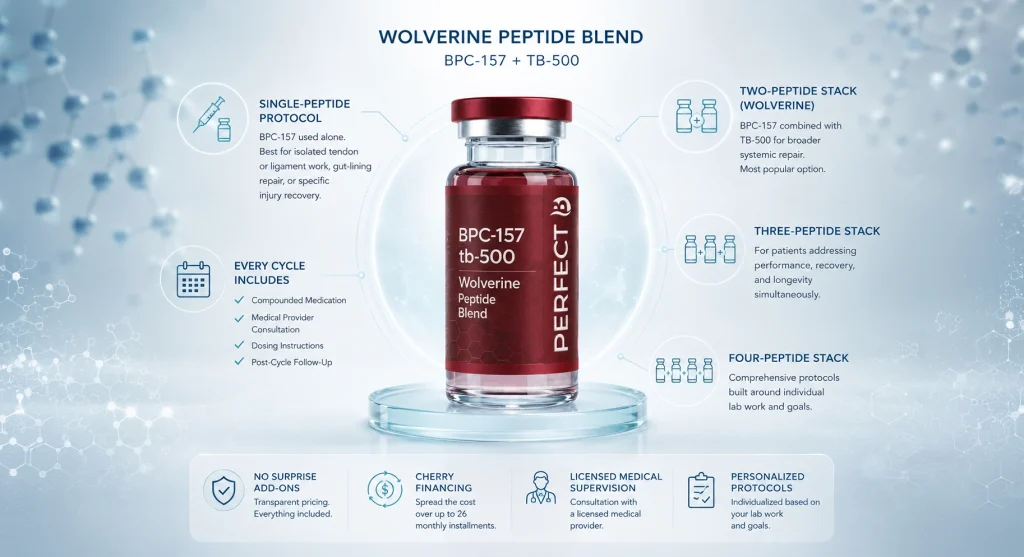
Research Applications BPC-157 has been studied extensively in animal models across a range of research contexts: Soft tissue repair tendon, ligament, and muscle injury models in rodents have shown accelerated healing markers when BPC-157 was introduced into experimental protocols Gastrointestinal research studies in rat models have examined its cytoprotective properties in gastric lesion, inflammatory bowel, and esophageal damage models Neuroprotection preclinical research has explored BPC-157 in models of peripheral nerve damage, central nervous system injury, and dopaminergic system modulation Musculoskeletal research bone-tendon junction healing, fracture repair, and osteogenic differentiation models have been examined in multiple published studies Organ protection emerging preclinical literature has investigated BPC-157 in hepatic, renal, and cardiac injury models in rodents Why Researchers Choose BPC-157 BPC-157 is notable in research peptide literature for its stability in acidic environments, distinguishing it from many peptides that degrade rapidly in gastric conditions
At Prestige Medical Group, we use targeted peptide protocols to help your body function at its highest level
In comparison, people with good tolerance who do not experience severe side effects can escalate their doses according to the standard prescribing schedule
In the pivotal STEP 1 clinical trial, participants who received weekly semaglutide injections lost an average of 14.9% of their body weight over 68 weeks , compared with 2.4% in the placebo group (study in the New England Journal of Medicine )