Key sources included the US Food & Drug Administration (FDA) Center for Tobacco Products, Federal Trade Commission (FTC) Smokeless Tobacco Reports, Centers for Disease Control and Prevention (CDC) Office on Smoking and Health, National Institutes of Health (NIH) National Cancer Institute, World Health Organization (WHO) Framework Convention on Tobacco Control (FCTC), European Commission Tobacco Products Directive (TPD), CDC National Youth Tobacco Survey, Global Adult Tobacco Survey (GATS), NIH Surveillance Epidemiology and End Results (SEER) Database, Tobacco Merchants Association (TMA) Statistical Reports, International Smokeless Tobacco Council (ISTC) Bulletins, Euromonitor International Tobacco Industry Database, Nielsen Retail Scanner Data (Convenience Track System), Eurobarometer Tobacco Special Surveys, national health ministry reports from India (Ministry of Health & Family Welfare), Bangladesh (Directorate General of Health Services), and Scandinavian public health agencies (Swedish Public Health Agency, Norwegian Institute of Public Health)

[1] Reception [edit] On Rotten Tomatoes the film has an approval rating of 43%, based on reviews from 7 critics, with an average of 4.90 out of 10

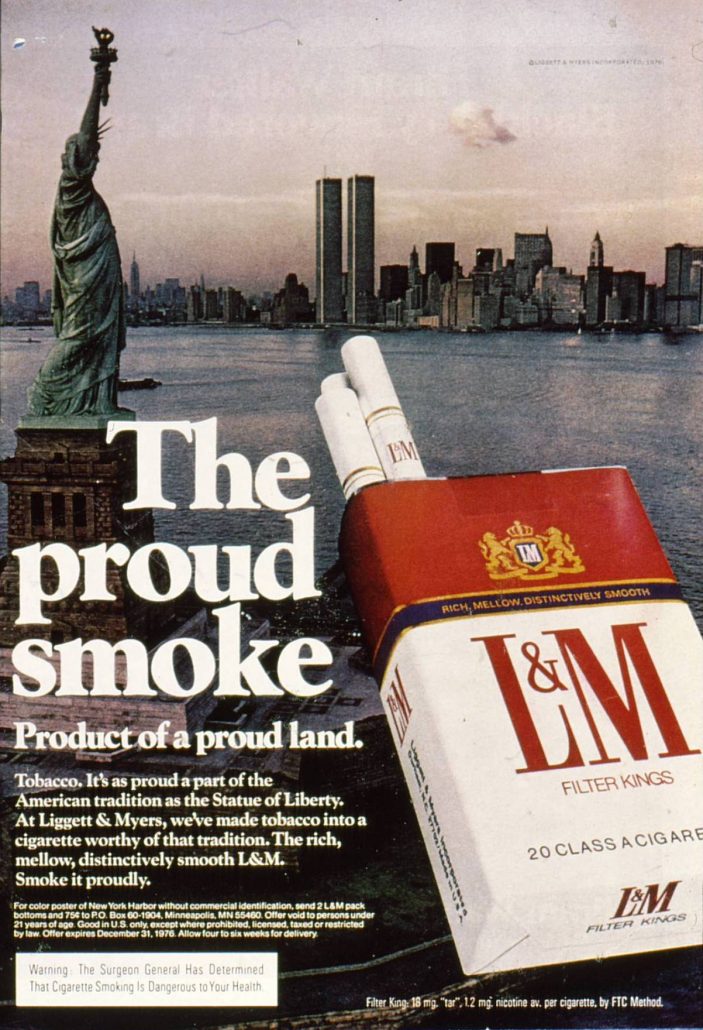
Mental health: There is a strong relationship between youth smoking and depression, anxiety, and stress.2 Personal views: When young people expect positive things from smoking, such as coping with stress better or losing weight, they are more likely to smoke.28 Other influences that affect youth tobacco use include:28 Lower socioeconomic status, including lower income or education Not knowing how to say "no" to tobacco product use Lack of support or involvement from parents Accessibility, availability, and price of tobacco products Doing poorly in school Low self-image or self-esteem Seeing tobacco product advertising in stores, on television, the Internet, in movies, or in magazines and newspapers Reducing youth tobacco product use National, state, and local program activities have been shown to reduce and prevent youth tobacco product use when implemented together.21011 These activities include: Enacting higher costs for tobacco products (for example, through increased taxes)211 Prohibiting smoking in indoor areas of workplaces and public places211 Raising the minimum age of sale for tobacco products to 21 years210 Using TV and radio commercials, posters, and other media messages aimed at kids and teens in order to counter tobacco product ads211 Engaging community programs and school and college policies that encourage tobacco-free places and lifestyles210 Developing community programs that lower tobacco advertising, promotions, and help make tobacco products less easily available211 Some social and environmental factors are related to lower smoking levels among youth

Tobacco is something cultural. Fernndez said smoking a cigar cant be compared to smoking a cigarette or vaping
Tolerance effects are not quite as strong with cigarettes and nicotine as they are with other drugs, such as heroin or cocaine, but they are still powerful
Let the tip catch fire, then extinguish the flame so the bundle smokes