Per FDA guidance, GLP-1-based medications are generally approved for adults with a BMI over 30, or over 27 with a qualifying health condition such as type 2 diabetes, high blood pressure, or high cholesterol
Increased cellular energy Higher NAD+ levels translate directly to improved cellular energy production
Reported side effects of corticosteroids include: Hydroelectrolytic disorders: sodium retention, potassium loss, hypokalemic alkalosis, fluid retention, congestive heart failure in susceptible patients, hypertension Musculoskeletal: muscle weakness, myopathy, loss of muscle mass, aggravation of myasthenic symptoms in myasthenia gravis, osteoporosis, vertebral compression fractures, aseptic necrosis of the head of the femur and humerus, pathologic fracture of long bones, tendon rupture Dermatological: impaired wound healing, atrophy and thinning of the skin, fragile skin, petechiae and ecchymoses, facial erythema, increased sweating, suppression of reactions to skin tests, allergic dermatitis, urticaria, and angioedema
Researchers typically evaluate AHK-Cu under controlled laboratory conditions using validated analytical methods and documented handling procedures
Relationship to meals Injecting on a full stomach vs an empty stomach does not affect subcutaneous absorption
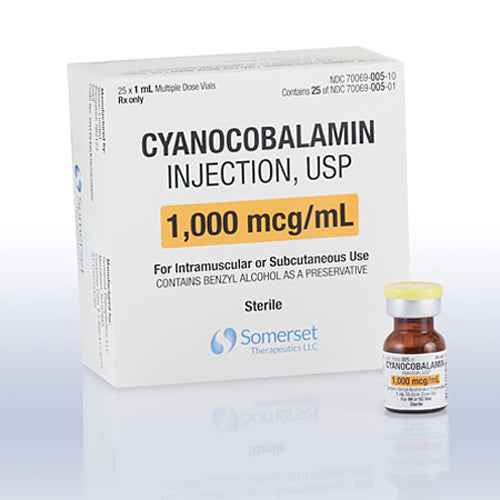
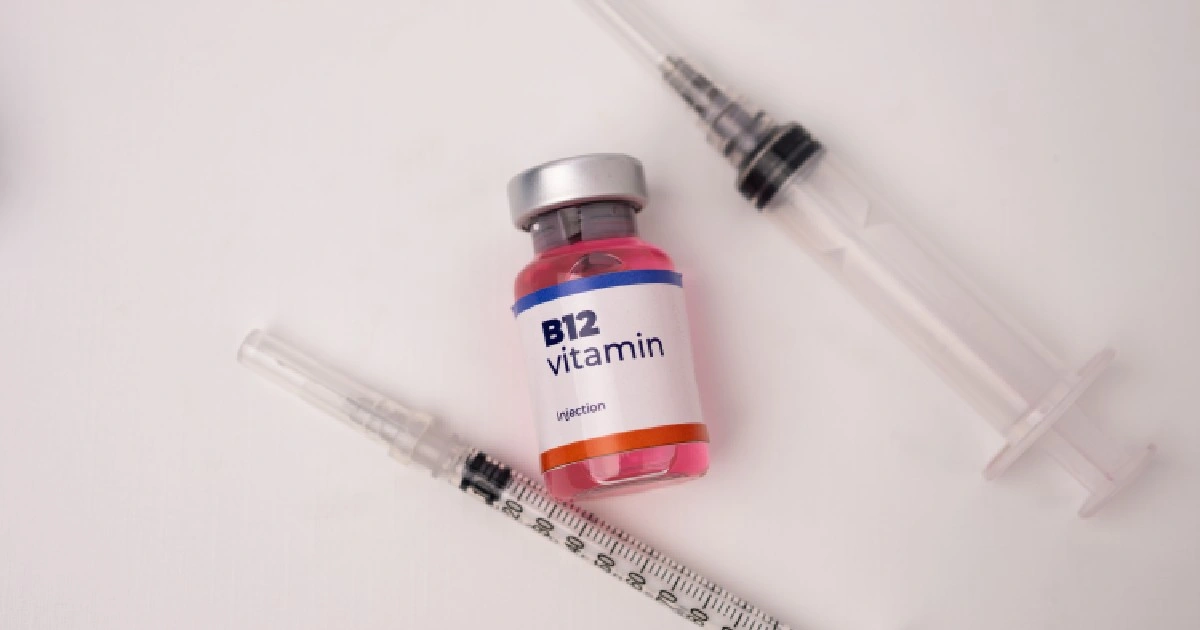
Injection-site effects can occur with intramuscular B12 administration