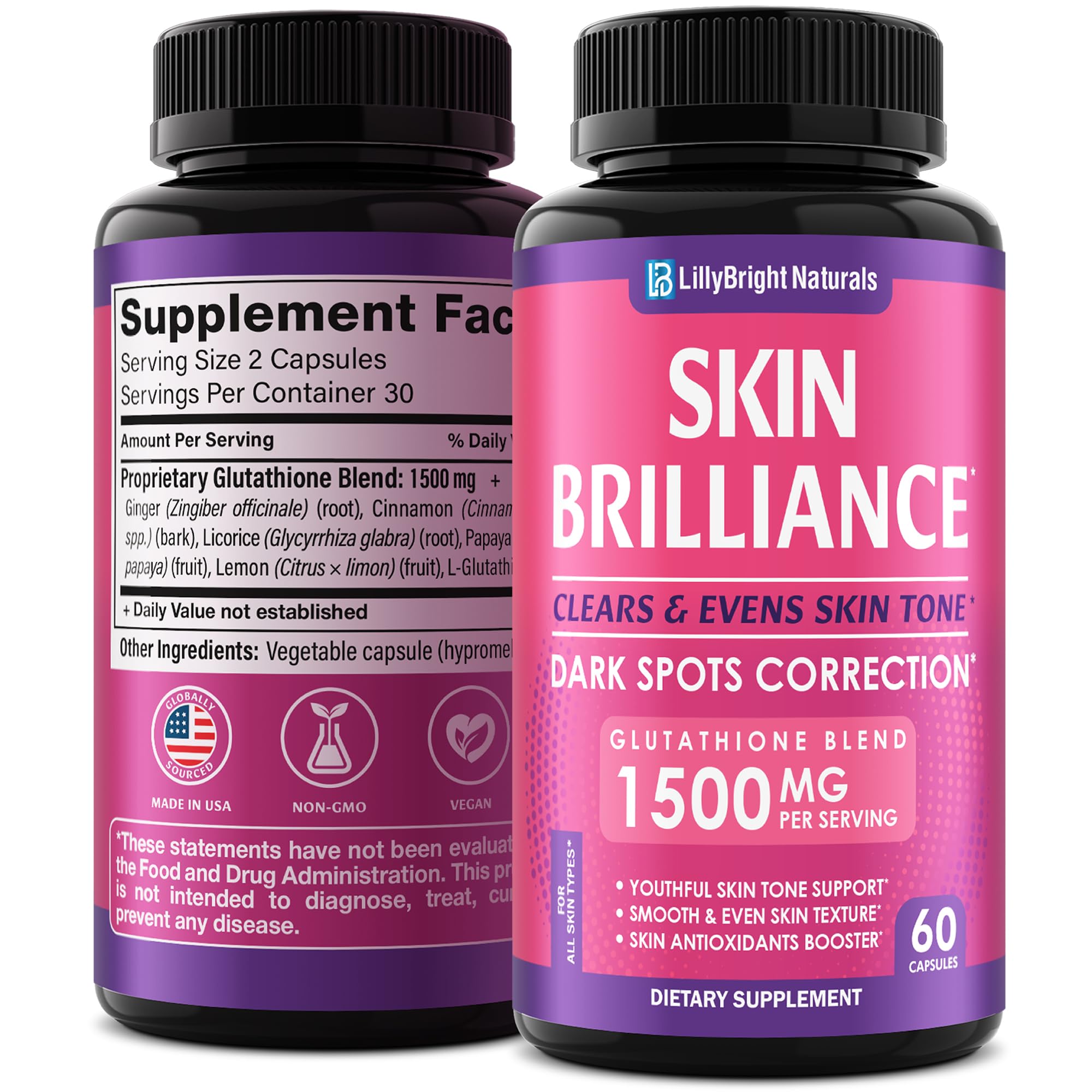
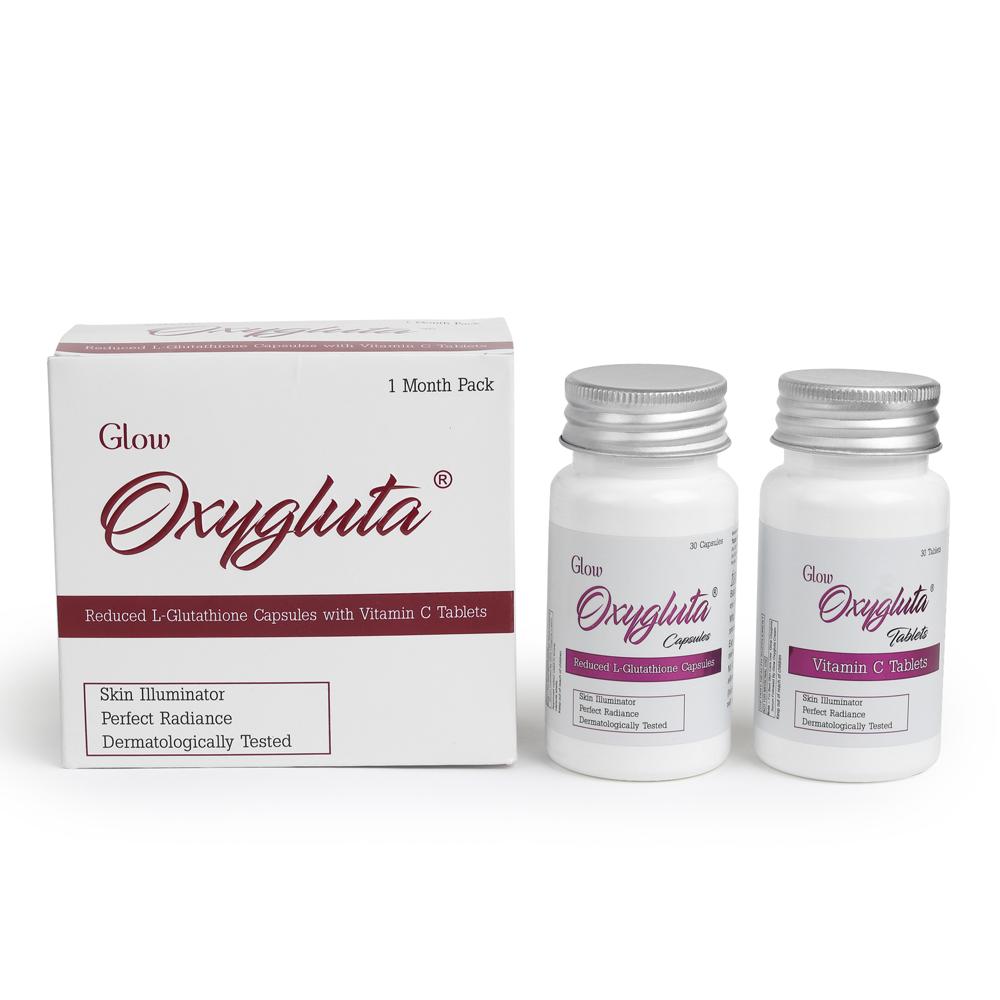
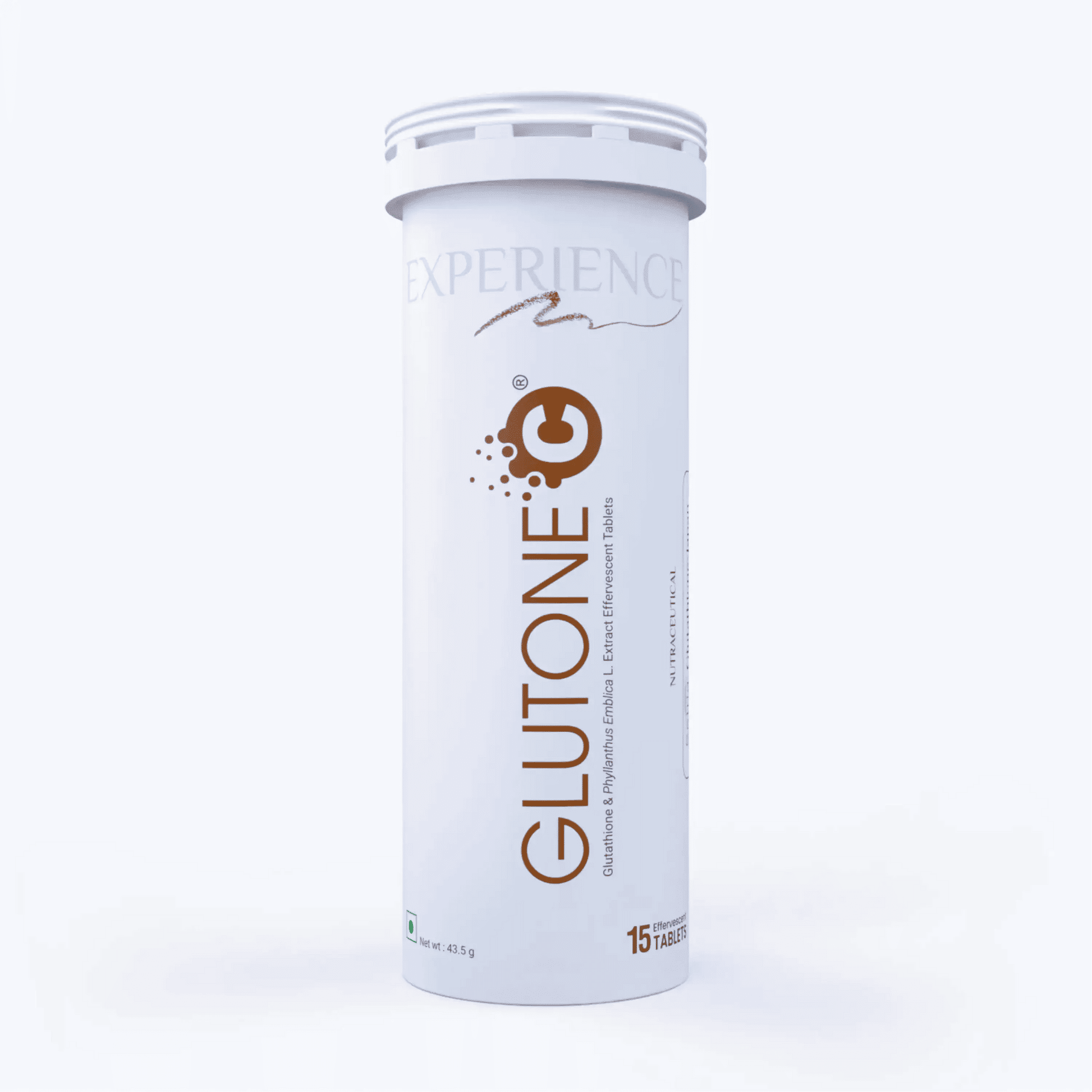
The phenylacetyl group acts as a protective shield, preventing premature breakdown in the digestive system and allowing significantly higher cellular uptake compared to standard reduced glutathione
CEMIP, identified as an oncogene, enhances the stability and nuclear accumulation of c-Myc by inhibiting the ubiquitination of this proto-oncogene
The plasma half-life of MK-677 in humans has not been definitively established in independently published pharmacokinetic literature
Accelerates wound healing through growth factor modulation Stimulates angiogenesis (formation of new blood vessels) to injured areas Promotes fibroblast activity and collagen formation Protects endothelial function and blood flow Reduces systemic and local inflammation without NSAIDs or corticosteroids Heals tendon-to-bone junctions and muscle strains that are notoriously slow to regenerate BPC-157 improves functional recovery by increasing VEGF expression, enhancing angiogenesis, and accelerating fibroblast migration and collagen deposition. Pevec et al., Journal of Orthopaedic Research While research on humans is still developing, preclinical studies across muscle, tendon, ligament, nerve, and gut tissues have shown consistent healing properties in animal modelswith many athletes and rehab practitioners reporting comparable real-world results
Long-term benefits, however, need further studies
Here is how that aligns with the charts: The one potential concern: a 10mg vial at the 2mg dose provides 5 weekly doses, spanning roughly 5 weeks