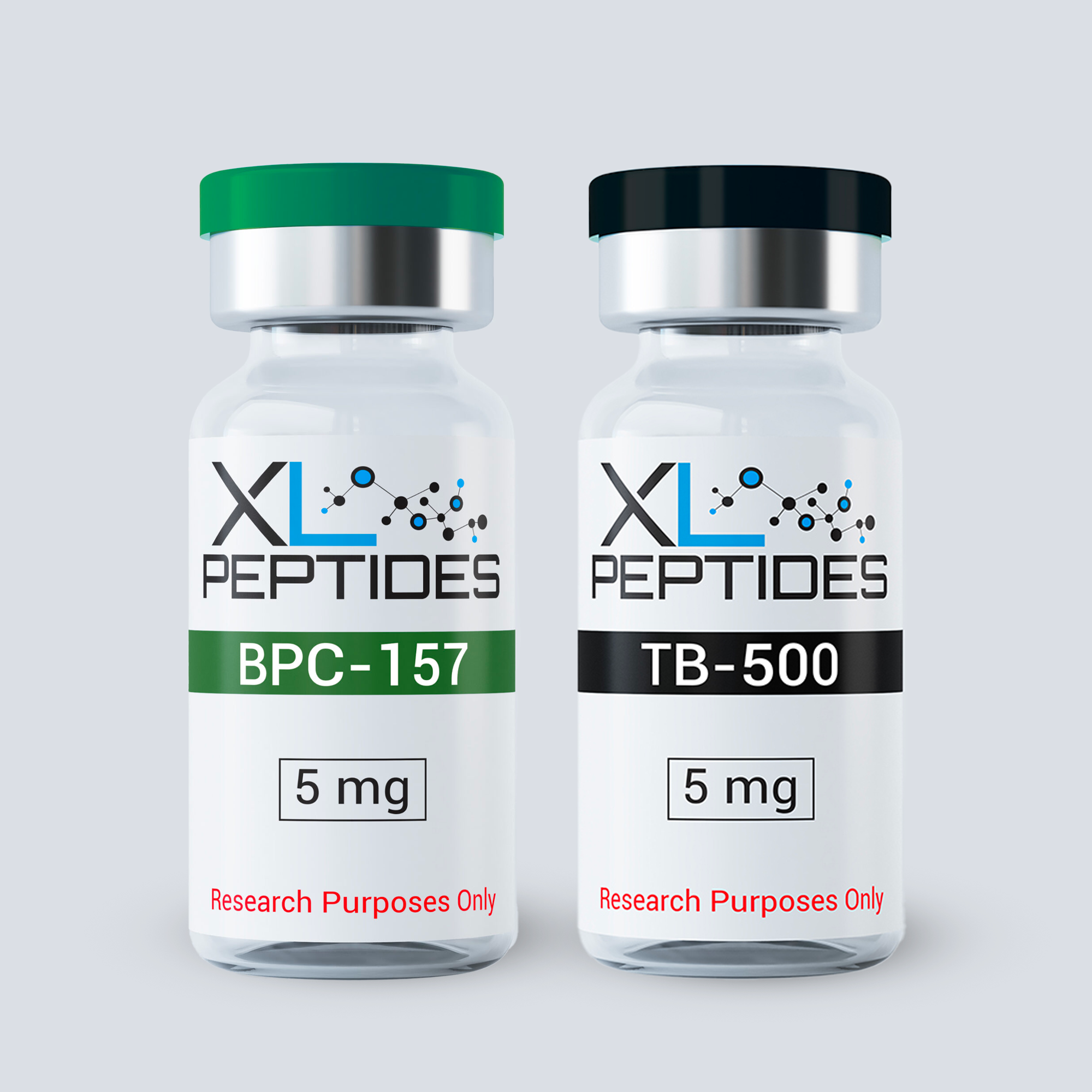
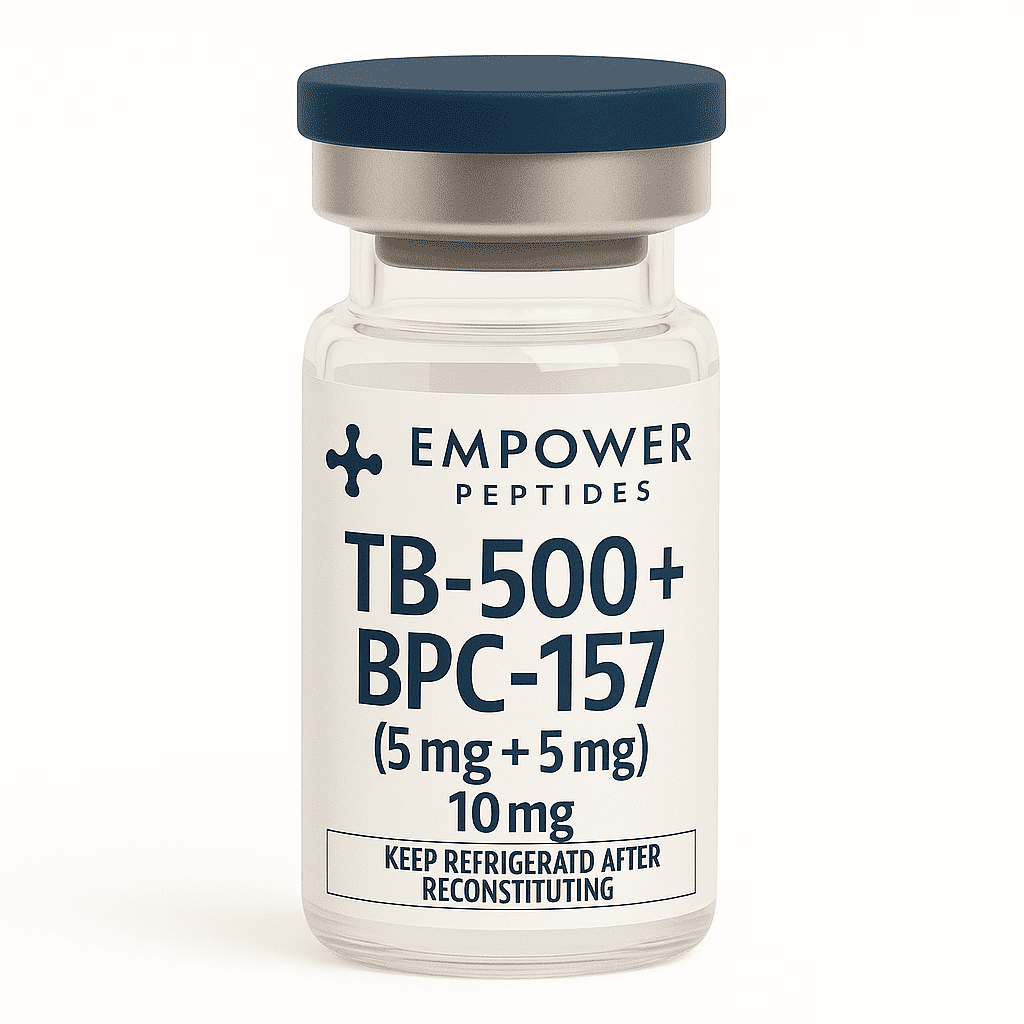
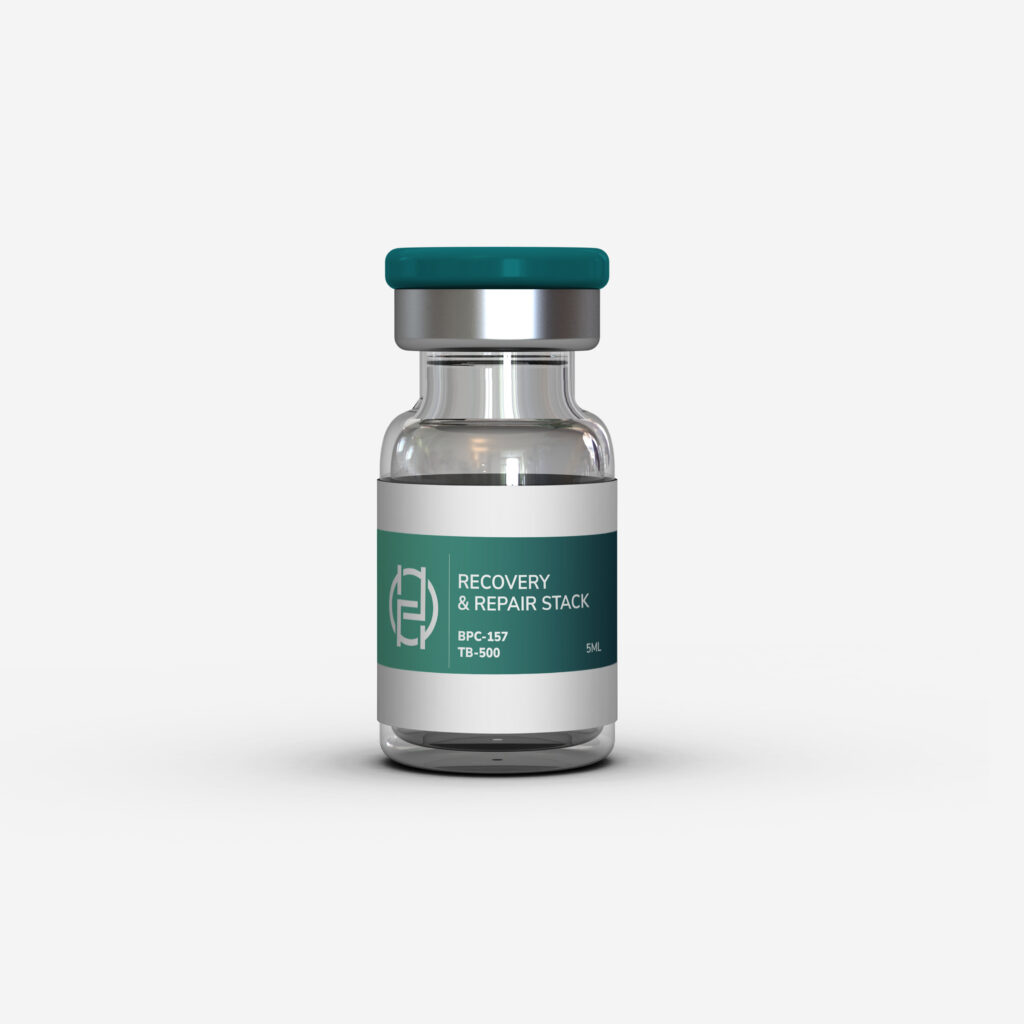
BPC-157 is commonly used in preclinical studies of wound-healing kinetics, gut barrier integrity, tendon-to-bone junction repair, and vascular network formation
Anecdotal reports of skin irritation or mild fluid retention Occasional reports of mood changes that resolve after discontinuation How Long Should It Be Used
EDS can impact multiple systems at once, which is why symptoms can seem unrelated
If you stored the reconstituted peptide for later use, you've created a contamination risk
Biofusion Glow Peptide A regenerative blend of GHK-Cu, BPC-157, and TB-500 formulated to support cellular repair, collagen synthesis, and full-body rejuvenation
Search terms combined peptide agent names with musculoskeletal and perioperative keywords and included BPC-157, body protection compound, pentadecapeptide, thymosin beta-4, TB-500, TB500, GHK-Cu, copper tripeptide, growth hormone secretagogue, CJC-1295, ipamorelin, sermorelin, IGF-1, insulin-like growth factor, collagen peptide, tendon, ligament, cartilage, osteoarthritis, fracture healing, wound healing, perioperative, arthroplasty, total hip arthroplasty, total knee arthroplasty, and total joint arthroplasty