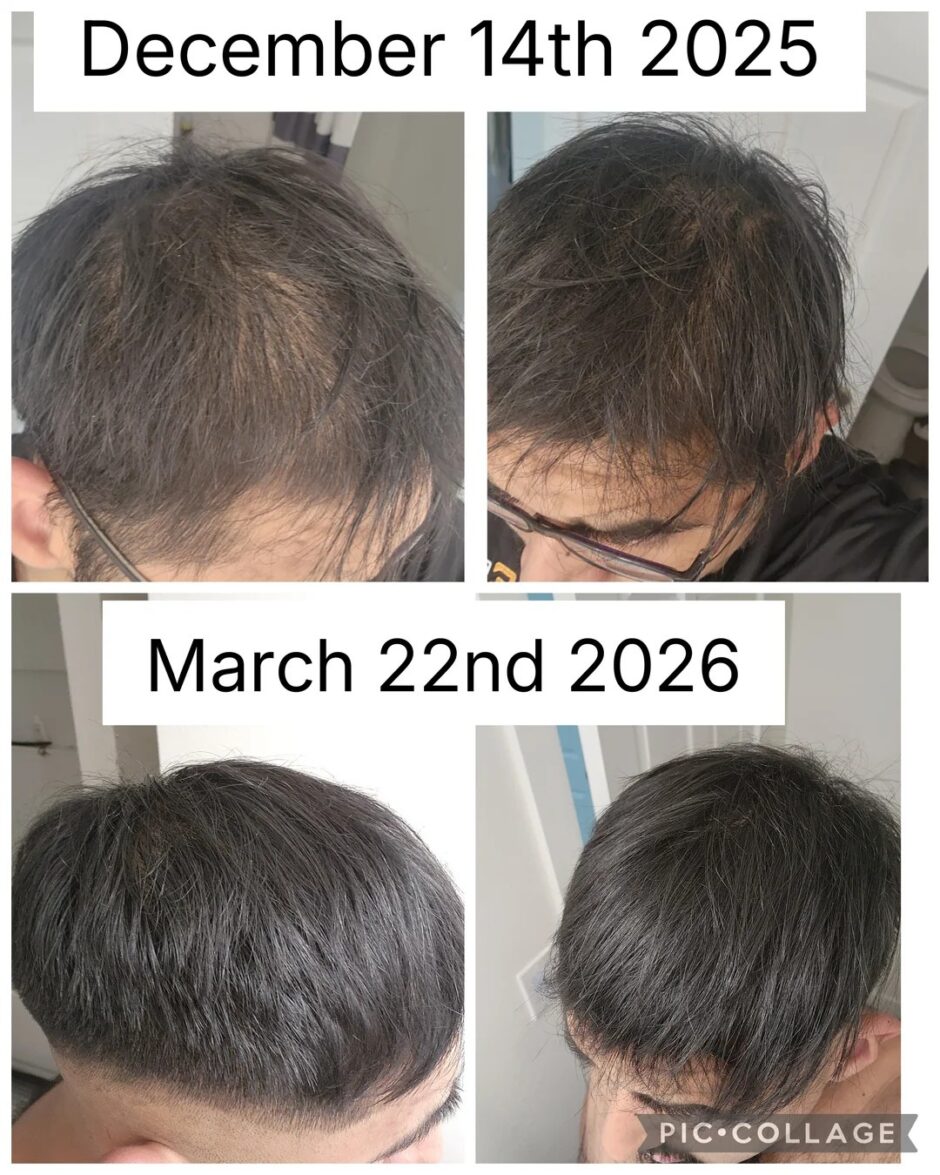
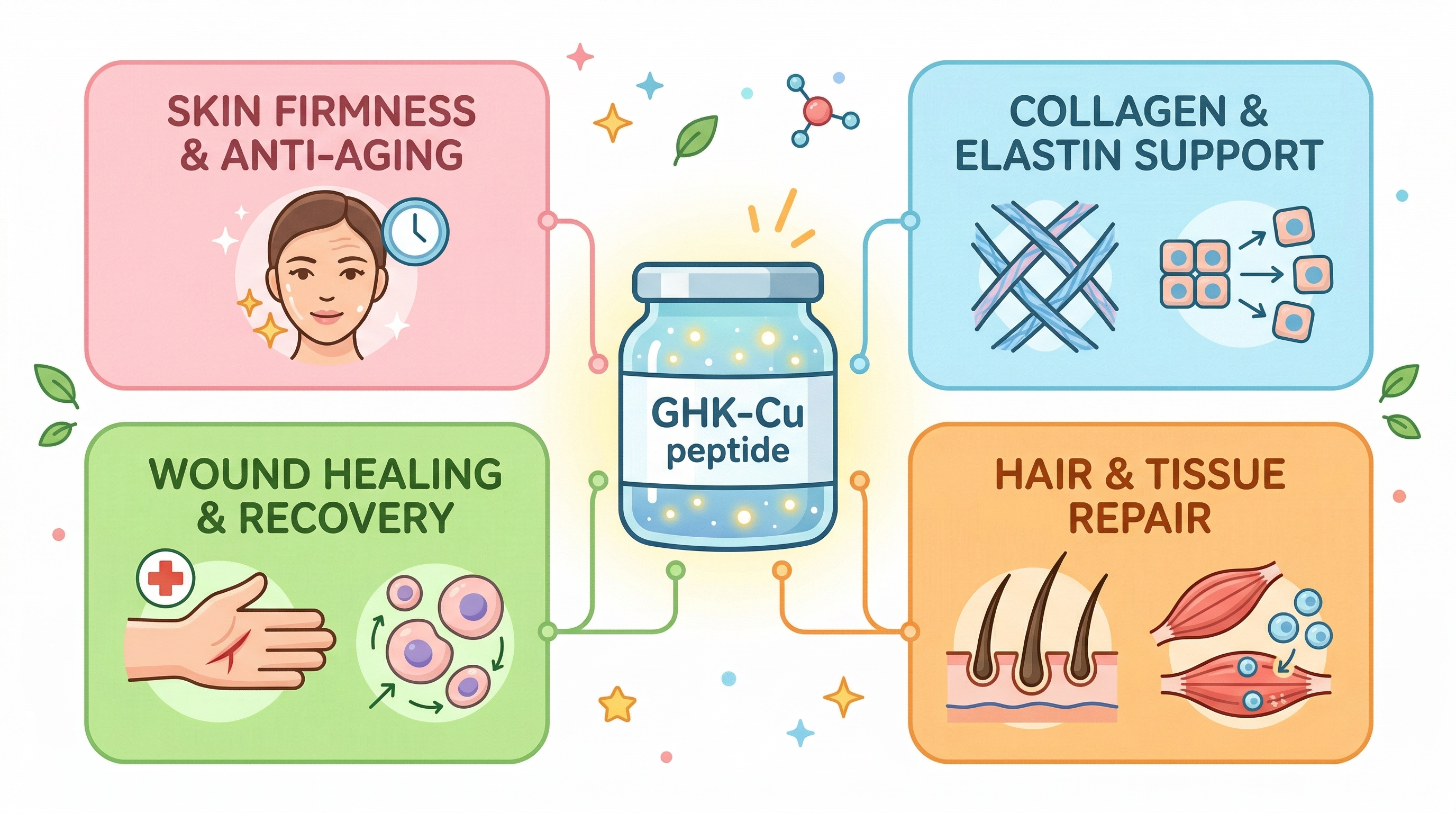
Unlike GHK-Cu , which occurs naturally in your body and declines with age, AHK-Cu was engineered specifically for hair and scalp applications
But it wasnt until the early 2020s that peptides really began to hit their stride, becoming part of a broader health and longevity conversation
[DOI] [PubMed] [Google Scholar] 10.Hoitsma E, et al
5-Amino-1MQ is not a stimulant it works by inhibiting NNMT to increase NAD+ availability, which supports cellular energy production but does not produce acute alertness or interfere with sleep architecture
What they can help with, when properly prescribed and monitored: Reducing appetite and food noise Meaningful fat loss, including visceral fat reduction Better glucose control and insulin sensitivity Improved cardiometabolic markers in many patients Supporting adherence to nutrition changes by lowering cravings Realistic limitations: They do not build muscle by themselves They can reduce appetite too much, leading to low protein intake if not planned Stopping can lead to regain if lifestyle and strength training are not in place Common side effects and considerations: Nausea, constipation, reflux, diarrhea Gallbladder issues can occur in some cases Rare but serious risks exist, so screening matters Dose and titration are not optional details, they are the whole game If your longevity plan includes fat loss, preserving lean mass, and reducing metabolic strain, this category has the strongest human outcome data right now
The peptide treatment process begins with an initial consultation