Working with concentration or unit conversions
Infused with essential nutrients and antioxidants, this treatment improves mental clarity, focus, and overall brain health
Key benefits: The Wolverine Stack is most often researched for soft tissue repair, tendon and ligament support, muscle recovery, inflammation response, joint comfort, and overall recovery
The effects of dietary bee pollen on lipid peroxidation and fatty acids composition of Japanese quails ( Coturnix coturnix japonica ) meat under different stocking densities
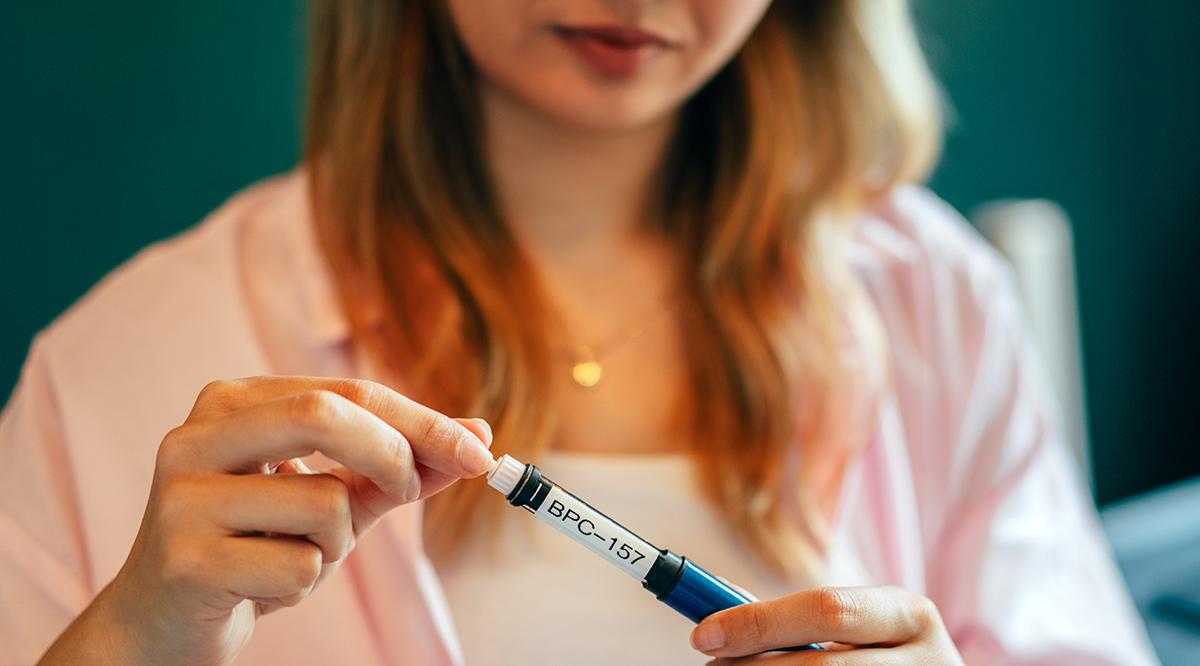
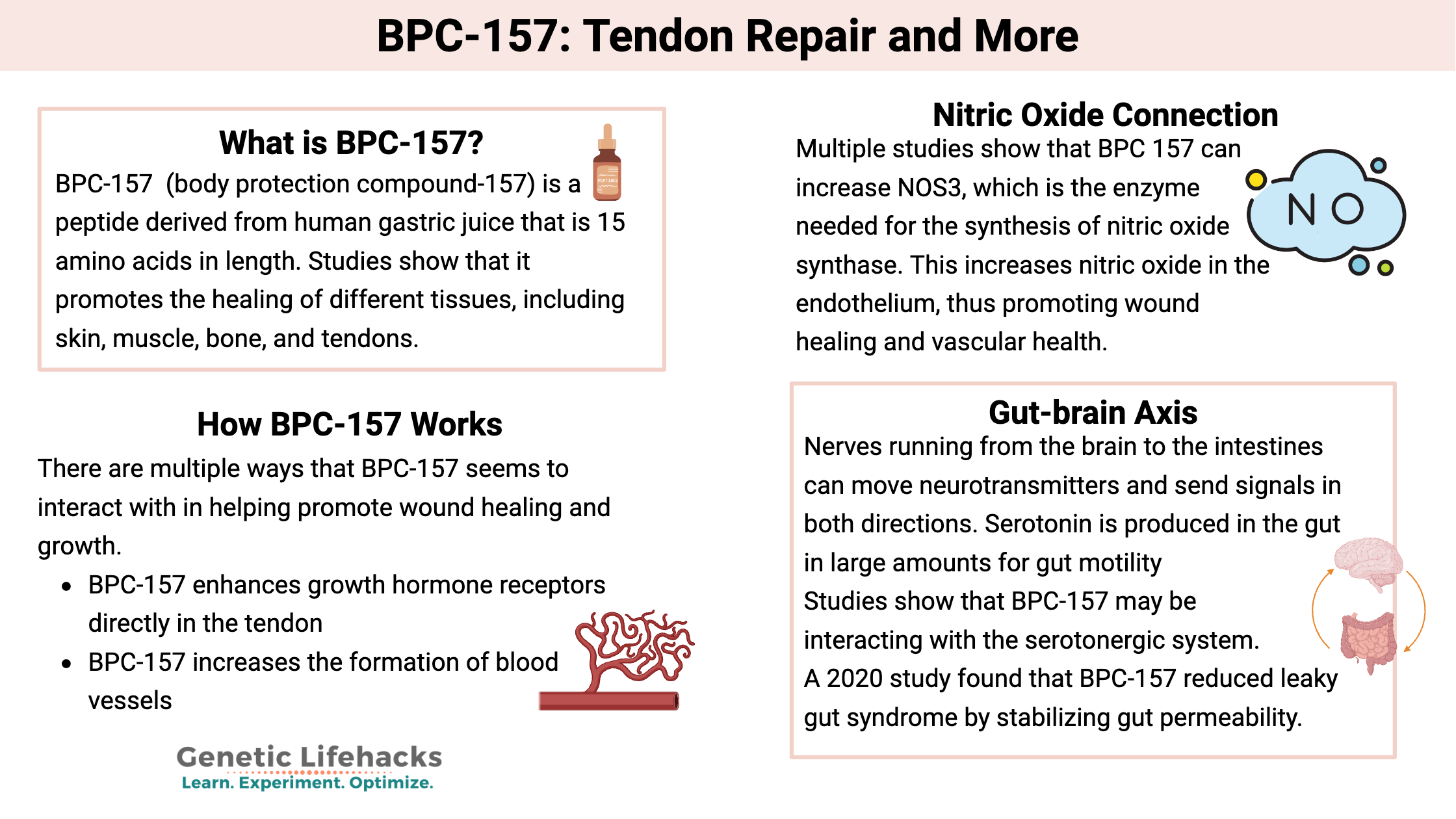
BPC-157 may help by: Supporting blood vessel formation (angiogenesis) to deliver oxygen and nutrients to healing tissue Supporting collagen production and connective tissue repair Helping regulate inflammatory signaling (so the body can shift from inflamed to healing) Supporting gut lining integrity and GI repair pathways TB-500 may help by: Supporting cell migration and tissue remodeling (important for recovery and regeneration) Supporting muscle recovery and range of motion Helping reduce stiffness and supporting mobility in overworked areas Supporting recovery when injuries involve multiple tissue layers (muscle + fascia + connective tissue) In simpler terms: BPC-157 focuses heavily on targeted tissue healing and inflammation control , while TB-500 is often used for broader recovery, mobility, and tissue regeneration support

Research Applications & Usage Information BPC-157 5mg + TB-500 5mg is commonly referenced in research contexts such as: Tissue-response and regeneration models (preclinical/in-vitro) : Used to evaluate changes in healingassociated endpoints, extracellular matrix behavior, or repair signaling, with BPC-157 and TB-500 run singly or in combination in preclinical designs