Experimental Research Applications In scientific literature, BPC-157 and TB-500 have been investigated individually and in combination in a variety of experimental settings, including: Angiogenic signaling and VEGF/VEGFR2-Akt-eNOS pathway research Nitric oxide (NO) system regulation studies Actin polymerization and cytoskeletal organization research Cell migration and motility assay models Extracellular matrix (ECM) remodeling investigations Fibroblast viability and stress response studies Dual-pathway synergistic signaling assay research Tissue-level repair mechanism investigations These studies are conducted exclusively within laboratory and preclinical environments and are intended for mechanistic and observational research purposes
Dont two-hand recap (the classic needle-stick moment), never reuse or share needles, and drop each used syringe straight into the container after use
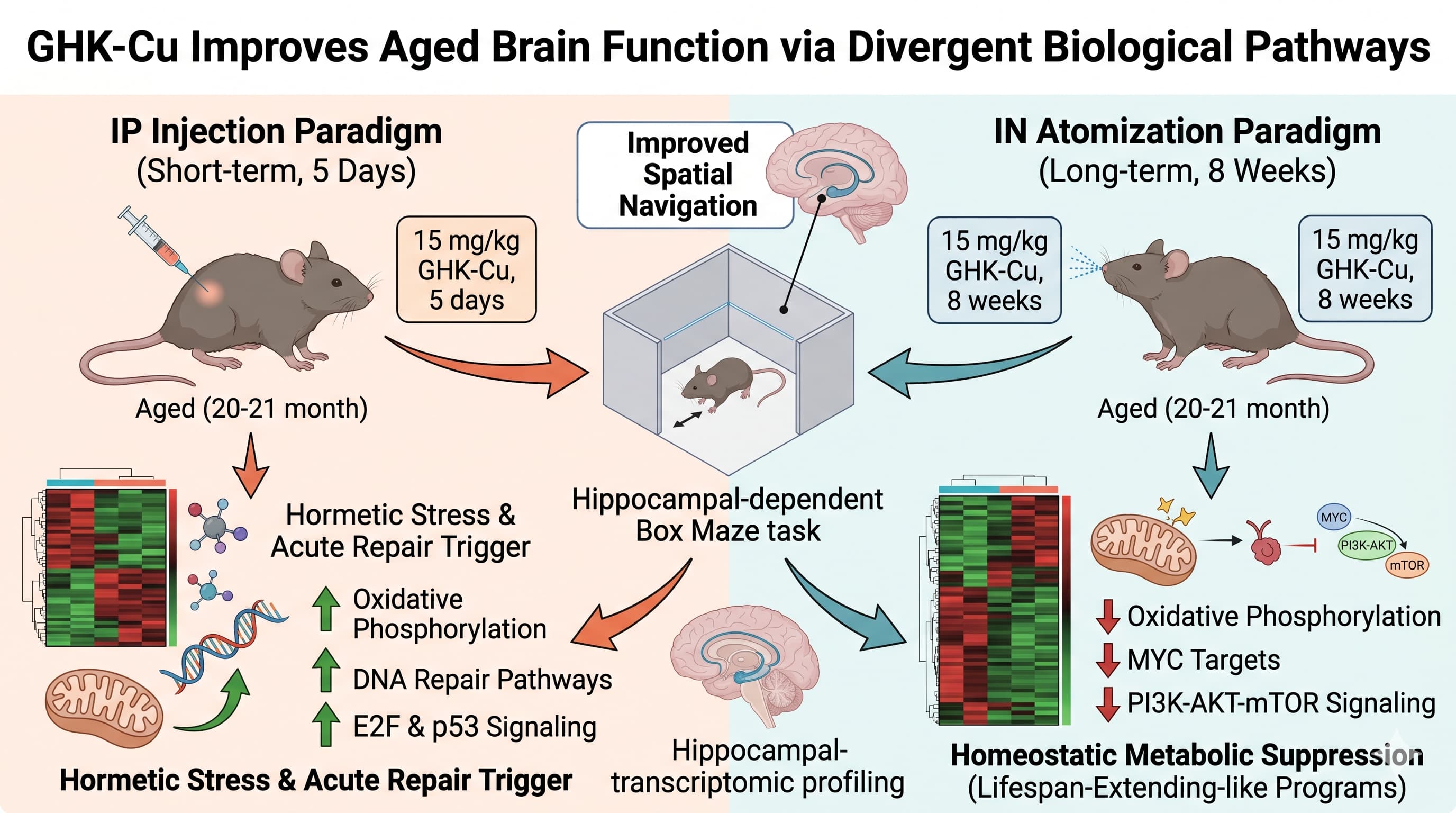
How Do You Reconstitute GHK-Cu
Response rates vary by study, but FDA documentation indicates approximately 39% of men experience moderate to dense hair regrowth on the crown when using 5% minoxidil consistently
Peptide origin / Partial sequence of human gastric protein BPC, isolated from gastric juice Molecular weight / Approximately 1,419 Da (15 amino acids) Common off-label oral dose / 250 to 500 mcg twice daily, taken on an empty stomach Common off-label subcutaneous dose / 200 to 300 mcg once or twice daily near the affected area or abdominally Evidence level / Preclinical only (GRADE: very low certainty for human GI healing) Key preclinical finding / Accelerated gastric ulcer healing in rats within 24 to 72 hours across multiple models Route preference for GI targets / Oral administration, based on topical mucosal contact rationale Safety profile in humans / Largely unknown
PRP (Platelet-Rich Plasma) for Skin & Hair The ghk-cu vs prp debate centers on accessibility, mechanism, and invasiveness